Ballarat has its own rhythm. Crisp wintertime early mornings. Warm, dry mid-days in January. A weekend culture that ranges from mountain bike trails in Canadian Forest to yard fire pits and active workshops. With that said mix comes a predictable collection of injuries. Over the years instructing emergency treatment training in Ballarat, I have seen three trouble locations more than any type of others: burns, bleeds, and broken bones. Each needs quick, calm activity, and the details matter.
You do not require to be a paramedic to make a life-saving distinction. You do require a strategy, the appropriate behaviors, and enough knowledge that your hands act while your brain catches up. That is where regular practice and excellent training repay, whether you complete an emergency treatment and CPR course Ballarat side or take a short CPR correspondence course Ballarat residents commonly set up prior to the summer sport season.
Why these 3 dominate in Ballarat
Burns prevail because of kitchen areas, campfires, workshop devices, and in some homes, solid-fuel heating units. I have treated teen campers with vapor scalds from a billy failed and a baker who got a 230-degree tray without a glove during a thrill. Bleeds run the gamut, from scalp lacerations after a fall at Black Hill to deep cuts from angle mills. Cracks originate from bikes, footy, ladders, and sometimes a straightforward bad move on frost-slicked driveways.
The environment forms the reaction. In winter months, cold can mask shock and make bleeding control harder. In summer season, dehydration complicates recuperation and warmth boosts the dangers with burns. Educating designed for a city workplace in some cases misses out on these information. Good Ballarat first aid training constructs them in.
Start with calm, not courage
The best first -responder isn't the bravest, it's the calmest. I teach a basic loophole and I educate it similarly to young adults and to building crews: examine risks, check feedback, phone call for help, and treat what will kill fastest. Hazards come first since a second client helps no one. Reaction suggests voice, touch, and a quick sense of breathing. Aid can be a bystander ringing 000, a defibrillator on the wall at the fitness center, or a first aid set that someone remembers lives under the kitchen area sink. The order matters since seconds matter.
When people state they panic, generally what they do not have is repetition. The more you have exercised with a fitness instructor, the less you need to believe. That is the value of repeating a CPR course Ballarat health employees are called for to keep annually, and the factor parents and trainers take advantage of a CPR correspondence course Ballarat suppliers run midyear.
Burns: cool down the heat, not the person
Heat damage proceeds after get in touch with ends. Your initial work is to quit the burn from worsening. That starts with eliminating the warmth resource and any constrictive things, after that cooling the shed surface area with running water. Not ice. Not icy peas. Not butter, toothpaste, or aloe. Every one of those has made a little burn worse in cases I have seen.
Here is the strategy that functions. Get the casualty to a refuge with no risk of additional injury. Get rid of rings, watches, and tight clothing cpr courses ballarat near the burn because swelling beginnings early. Great the shed with great running water for 20 minutes. That is a long period of time when somebody is harming, but the information supports it, and I have enjoyed upset, blistered skin look better after the full 20. Purpose the water at the melt, not the whole person, especially with children or older adults who shed body heat quickly. For large burns, use a gentle drip or a shower if readily available while maintaining the remainder of the body warm with a blanket.
After air conditioning, cover the melt with a clean and sterile, non-adhesive clothing or clean plastic wrap, laid loosely. The covering safeguards versus infection and reduces pain by keeping air off the nerve ends. Avoid covering fingers together. Do not pop sores. For facial burns, a light, non-stick covering suffices, and you need to seek medical evaluation early.
Electrical burns and chemical burns have their very own guidelines. With electrical power, be particular the power is off before you touch the casualty, then treat entry and leave injuries and display for heart rhythm issues. With chemicals, reject completely dry powder, then irrigate copiously with water, frequently much longer than 20 mins. Maintain the run-off away from unaffected skin.
Some burns need urgent care. Any kind of melt larger than a hand, any type of shed to the face, hands, feet, genitals, or significant joints, and all burns in very young or frail individuals necessitate a trip to healthcare facility. In Ballarat, range to care is practical, however, for outlying properties it might take 20 to 40 minutes for a rescue. Keep one's cool the shed while you wait and look for signs of shock, like pallor and fast breathing.
A short story illustrates this. A home chef in Ballarat East splashed boiling sugar syrup throughout the rear of 3 fingers. They ran water for two minutes, after that stopped since the discomfort reduced. Two hours later the fingers were bright red and blistering. They reactivated air conditioning and called for suggestions. Had they remained with the 20-minute rule from the start, the melt depth and healing time most likely would have been much less severe. The rule feels long. It is long for a reason.
Bleeds: stress gets time
Bleeding control is just one of the most teachable abilities. A lot of outside blood loss stops with sustained pressure positioned directly on the wound. Not a gentle touch, not a rub after that a peek. Company, continuous pressure for minutes each time. In training, we practice pressing hard enough to be tedious, after that we practice switching hands or assistants without losing pressure.
You have three priorities. Secure yourself with handwear covers if available. Apply solid pressure with gauze or a clean fabric. Boost the bleeding part if you can do so without triggering more injury. If blood soaks with, add even more pads on the top and keep pushing. Do not manage drenched dressings, due to the fact that you will certainly interrupt forming clots.
For injuries that maintain bleeding despite strong stress, a stress plaster assists. Cover from distal to proximal, meaning from the far end of the limb towards the body, with regular tension. If blood loss is severe and harmful, a tourniquet can be suitable for arm or legs. This is a serious device and needs training. In the right-hand men it has actually conserved lives on building sites and rural properties. In inexperienced hands it can trigger avoidable damage. If you have actually completed an emergency treatment course in Ballarat that covered high-risk work environments, you likely practiced this. If you have not, stick to strong straight stress and rapid emergency activation.
Special locations need special delivery. Scalp injuries bleed a whole lot due to abundant blood supply and can look significant. Pressure still works. Nosebleeds usually work out with the person resting onward, pinching the soft part of the nose for 10 mins, and breathing via the mouth. No head tilt backwards, no tissue stuffed up the nostrils. Deep cuts to the hand, the internal lower arm, or the upper leg can involve arteries. The blood might surge in time with the heart beat. That is an emergency situation. Apply straight pressure instantly and call 000.
I recall a biker on the Yarrowee route who dropped onto a jagged branch. The injury looked small via the jacket, but blood pooled promptly. A riding companion pushed a clean lover versus it and maintained stress all the way to the car park, where an ambulance team satisfied them. They did not maintain lifting the towel to "examine." That discipline mattered greater than the brand of bandage.
Breaks: suspect, assistance, and spare movement
Fractures are missed at all times since not every broken bone looks crooked. Swelling, inflammation over the bone, lack of ability to make use of the arm or leg, and pain on weight-bearing are telling indications. If doubtful, treat it like a fracture. That indicates immobilising above and below the suspected break, extra padding to comfort, and maintaining the individual still and warm.
For an arm, a basic sling can make a huge difference, and a folded triangular plaster is still a workhorse. For a lower leg, you can splint with a cushioned board, rolled blankets, or perhaps a sturdy magazine if no set comes in handy. The technique is to keep joints over and below the suspected crack from moving. It is rarely quite. It does not require to be. It needs to be comfortable and stable sufficient for transport.
Open cracks, where bone shows up or the skin is torn, need both hemorrhaging control and gentle insurance coverage with a sterile dressing. Do not attempt to press bone finishes back in. That recommendations is not flexible. If blood circulation is compromised, with light, amazing skin and no pulse past the injury, note it and inform paramedics. Adjustments are not for first aiders unless trained and guided by clinical control.
Spinal concerns are rare in straightforward slides, more probable in high-energy occasions like drops from ladders or vehicle crashes. If the mechanism recommends it and the person has neck pain, tingling, or weak point, keep them still, sustain the head in a neutral position, and wait on help. In the field, great spectator monitoring matters. One voice provides commands, others sustain and maintain the scene calm.
Ballarat winter seasons produce an additional difficulty: cracks in older grownups from low-level falls. Osteoporotic bones break conveniently. If Nana has a sore hip after a laterally slide on the walkway and can not bear weight, treat it as a hip crack till tested otherwise. Keep her cozy, do not force motion, and call an ambulance. The comfort you give in the first 20 mins establishes the tone for the next two months of recovery.
Breathing buys mins: mouth-to-mouth resuscitation and defibs in context
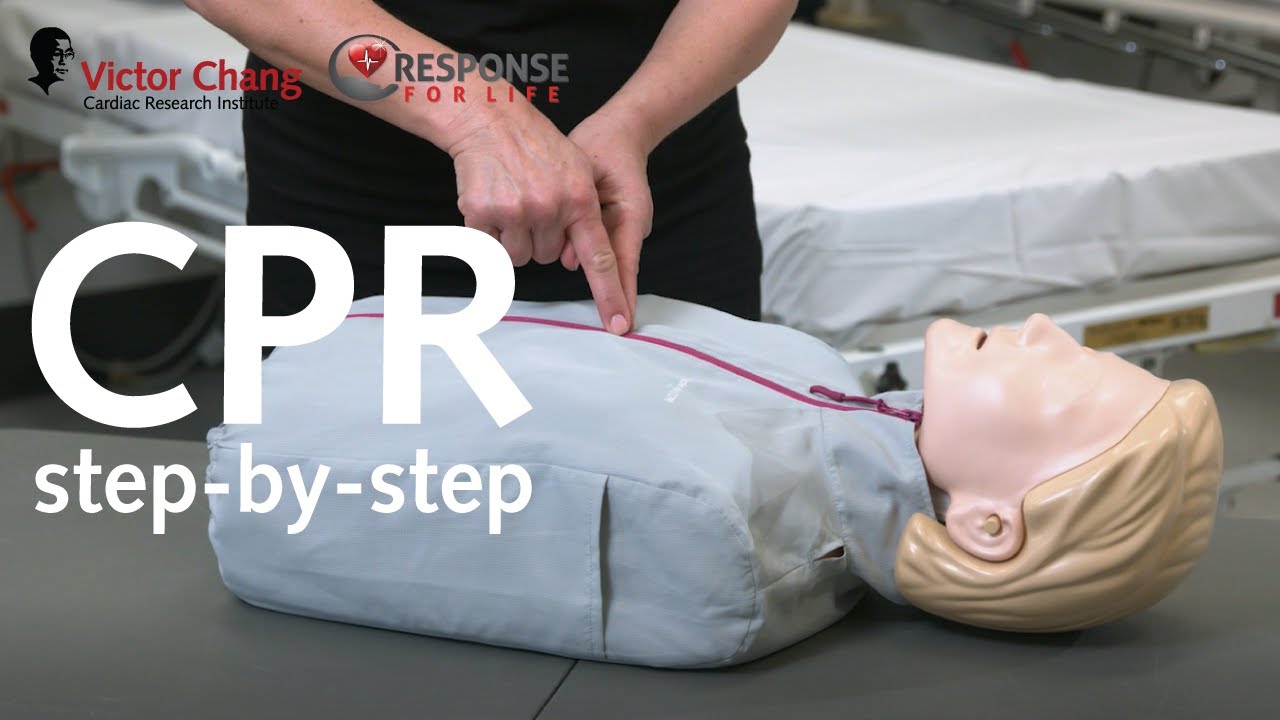
Bleeds and burns frequently order attention, yet failing to take a breath is what eliminates fastest. When breathing stops, your window is minutes. That is why every emergency treatment and CPR course Ballarat based companies show spends significant time on recognition and action. The actions are straightforward when you have actually exercised them: check feedback, open up the respiratory tract, check breathing, call 000, start compressions.
People fret about doing mouth-to-mouth resuscitation "incorrect." The largest error is waiting. Put your hands on the facility of the upper body, align your arms, and compress set at regarding 100 to 120 per min, enabling the chest to recoil. If you are educated and prepared, add rescue breaths at a ratio you found out, but hands-only CPR is far better than absolutely nothing. Swap rescuers every couple of minutes if you have help.
Automated outside defibrillators become part of the landscape currently. You will find them in fitness centers, community centers, some pubs, and offices. The device talks you with each action. Stick the pads on the bare upper body as shown, step back when the maker says to, and return to compressions as quickly as it enables. I have actually enjoyed novice users save a life due to the fact that they relied on the prompts.
For anybody who has not exercised in a while, CPR training Ballarat programs, consisting of short updates and full programs, are made to bring back muscle mass memory. The distinction between viewing a poster and pushing on a mannequin while a teacher fixes your technique is evening and day.
Building a beneficial emergency treatment kit for Ballarat life
A package is not a magic box, it is a set of devices you recognize exactly how to use. The very best package for a family isn't the one with a hundred items you have never opened. It is the one with the ideal items in generous amounts and a design you can browse with cold hands. For local households, I suggest prioritising sterile gauze, crepe bandages, a couple of non-adhesive dressings for burns, sticky strips, sturdy shears that reduced jeans, a triangular plaster, a room covering, saline ampoules for eye watering, and nitrile handwear covers. On ranches and developing sites, an industrial tourniquet and haemostatic gauze make sense when employees are trained.
Restock after every use. Period matters too. In winter months, include hand warmers and an added covering. In summertime, pack added water and sunscreen. Maintain a smaller sized emergency treatment kit in each vehicle, and do not hide the home set at the rear of a high cupboard. Accessibility saves time.
Navigating aid: when to call, where to go
Not every injury requires a rescue, however err on the side of care when the risks are high. Breathing difficulty, unchecked bleeding, significant burns, believed back injury, modified consciousness, and chest discomfort warrant calling 000. If you are not sure, call anyhow and explain the scenario. The phone call taker can direct you.
For small concerns that still need treatment, Ballarat has options, from immediate care centers to GPs and the emergency department. Time of day and day of week matter. On a Sunday evening, your useful selections slim, and what you believe is a fast check could turn into a much longer wait. That is another reason strong preliminary management, like correct cooling of burns and firm bleeding control, pays off.
Training that sticks: maximizing Ballarat first aid courses
A brief class can instruct a checklist. An excellent class constructs judgment. When I deliver an emergency treatment course Ballarat households or workplaces book, I concentrate on circumstances they may actually deal with. We established a mock grinder injury. We exercise raising a pot off a range securely and cooling down a scald in a washroom sink. We run drills in winter months jackets, since compressions in a puffer really feel various. That realistic look aids remember under stress.

If you desire official qualification, seek a first aid certificate Ballarat carriers release that matches national expertises. The web content ought to include basic life support, bleeding control, crack monitoring, melt care, and using AEDs. If your role entails kids, ask for youngster and baby modules. If you work around machinery, ask to cover tourniquets and haemostatic dressings. For several, a consolidated first aid and CPR course Ballarat instructors offer is the reliable course. If you did a training course in 2014, a mouth-to-mouth resuscitation refresher helps you maintain the subject to spoiling parts.
Several highly regarded organisations run first aid training in Ballarat. Some supply on-site at work environments, others run public sessions on weekend breaks. The benefit of neighborhood companies is twofold. First, they recognize the injuries usual here. Second, they can tailor sessions for sports clubs, outdoor teams, and specific workplaces. You may search for emergency treatment courses in Ballarat or a focused CPR course Ballarat homeowners advise, after that ask questions before booking: the number of trainees per trainer, just how much hands-on time, do they cover burns thoroughly, and do they provide adaptable assessment for those with previous experience.
People sometimes inquire about "first aid pro Ballarat" design programs and whether they vary from basic emergency treatment courses Ballarat wide. Labels vary, yet the core continues to be the exact same: training should be nationally accredited, practical, and locally relevant. It must leave you really feeling prepared, not simply certified.
Two small checklists you can remember
- For burns: eliminate danger, remove tight items, cool the melt with running water for 20 mins, cover freely with non-adhesive clothing or plastic wrap, maintain the individual cozy, look for treatment for large or sensitive-area burns. For heavy blood loss: secure yourself, apply firm straight pressure, add more pads without getting rid of the initial layer, elevate when possible, use a stress bandage, take into consideration a tourniquet just if educated and bleeding is life threatening, call 000 early.
These are not the full story, but they are short adequate to recall when your heart price is up.
Common blunders and how to prevent them
I have actually enjoyed well-meaning people do the incorrect point because tv educated them dramatization as opposed to basics. With burns, the biggest error is cooling momentarily or two then stopping. Set a timer. Use a tune. Maintain the water moving the full 20 minutes. With bleeds, people dab and examine. Instead, press and maintain pressing. With cracks, people attempt to straighten out arm or legs without training, or they relocate somebody with a prospective back injury due to the fact that the ground looks uneasy. Comfort is additional to security when the back might be compromised.
Another reoccuring problem is obsolete skills. I when fulfilled a volunteer who had not practiced CPR for eight years and still prepared to use obsolete ratios. Guidelines progress. Short, routine training solutions this. If you last experienced prior to AEDs came to be typical, book a session. If you found out emergency treatment overseas, verify differences with a regional instructor. Ballarat emergency treatment courses incorporate Australian criteria and local protocols.

Finally, confidence dips throughout genuine emergencies. The remedy is practice that feels and look like the genuine thing. If your work environment drills never ever leave the rug, take a session Click to find out more exterior. If your sporting activities club trains in daylight, include a low-light circumstance. An emergency treatment and CPR course Ballarat clubs prepare on their lawn will constantly sink deeper than a lecture in a generic room.
Stories that stick with you
Two brief snapshots come to mind. A papa at a Lake Wendouree bbq lifted a hotplate too soon and heated his lower arm with oil and heavy steam. His friend bore in mind the "20-minute rule," walked him to the rowing sheds where there was a faucet, and maintained the water running while others cleaned up. They used a tidy plastic bag as a temporary cover. The medical facility note later on commended the emergency treatment. The melt recovered without grafts.
A roof apprentice nicked his lower arm with an energy knife. It appeared like a tiny cut until he moved and blood pulsed. The website manager pressed hard with a folded plaster, protected it with a pressure cover, and maintained the pupil calmness while calling 000. They stayed clear of a tourniquet due to the fact that the bleeding quit with stress. The ambos arrived to a stable person. A scar, yes. A life, intact.
These aren't heroics. They are great habits, executed quickly.
Bringing it all together in the house and work
If you handle a group, list your plan and exercise it. See to it everyone knows where the emergency treatment package lives and who among you has present training. Rotate responsibilities so abilities do not cope with a single person. For families, teach children how to call 000, what address to claim, and exactly how to unlock the front door for paramedics. Place an AED location application on your phone. If you coach a junior team, build five minutes right into training monthly to revisit a basic skill. The repeating sets you back little and pays back heavily.
When you seek training, go for deepness over gloss. A solid Ballarat first aid course with hands-on technique defeats a fast online tick-box. Try to find CPR courses Ballarat participants state provided confidence, not simply a certificate. Consider matching a first aid course Ballarat based with a circumstance at your site a month later on, so discovering sticks. If your certificate is ending, book a port. If you never ever trained, start with a first aid and CPR course Ballarat companies run weekly, after that keep it fresh with yearly updates.
Final ideas, improved practice
Burns, bleeds, and breaks are foreseeable, and predictability is your ally. You can lay out the tools, construct the reflexes, and maintain them existing. The appropriate steps are not made complex. They are specific, and they should be done fully. Awesome burns appropriately. Press blood loss firmly. Support fractures and spare motion. Keep people breathing, and let AEDs do their work. Then turn over to professionals with a clear summary of what you saw and what you did.
Ballarat's periods and pastimes will keep throwing the occasional curveball. With practical training, an equipped package, and a tranquil technique, you will be ready to catch it. Whether you book first aid training in Ballarat for your workplace, join among the emergency treatment courses Ballarat citizens recommend on weekend breaks, or port a CPR Ballarat session right into your club schedule, the moment you invest currently becomes the self-confidence you need on the day that counts.